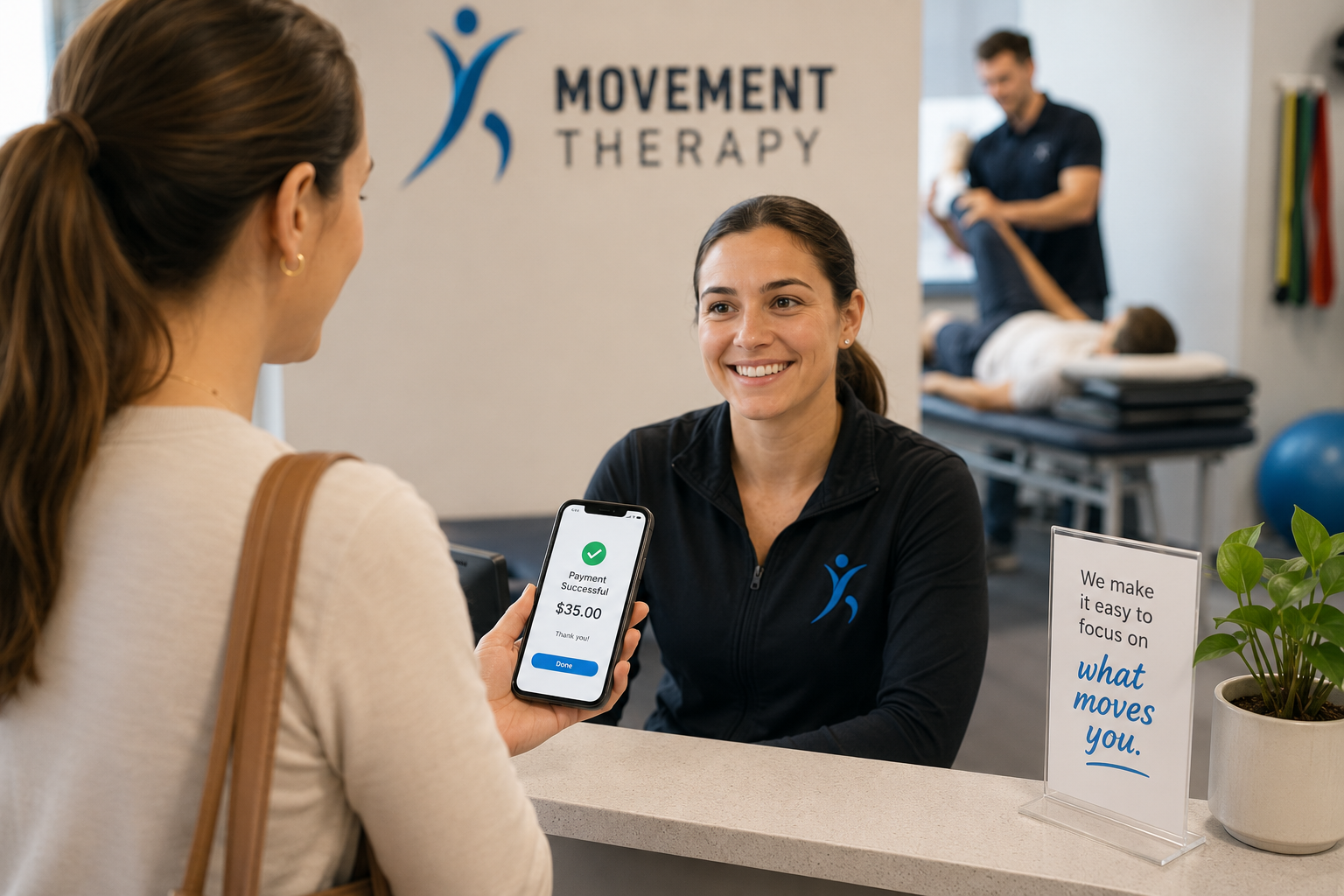
Physical therapy is a high-touch specialty. A typical patient sees us twice a week for six to twelve weeks, which works out to twelve to twenty-four visits per episode of care. At average copays, running Physical therapy is a high-touch specialty. A typical patient sees us twice a week for six to twelve weeks, which works out to twelve to twenty-four visits per episode of care. At average copays running $30 to $75 per session, the cumulative cost lands somewhere between $1,000 and $2,000 by the time therapy is complete. That is the math every PT patient is doing in their head, whether they say so or not. Most clinics still bill that math the same way they did twenty years ago. A single envelope arrives at the end of the month containing a stack of charges, and at full sticker price, the total looks alarming. Patients call the front desk asking what they are looking at. Some pay slowly. Some do not pay at all. Some skip a visit because they are nervous about what the next bill will look like. There is a better way, and patients have been telling us what it looks like for years. The technology to deliver it has caught up. What the Data Actually Says The 15th Annual Trends in Healthcare Payments Report paints a clear picture. 62% of consumers prefer to pay their medical bills online. The use of eStatements as a primary collection method has grown 243% from 2016 to 2024. And yet 71% of providers still report that it takes more than 30 days to collect payments after a patient encounter. That gap between what patients want and what most clinics deliver is where revenue gets lost. It is also where the front-desk burden compounds, where collection rates stall, and where patient satisfaction quietly erodes. Smaller Bills Spread Across Visits, Not Stacked at Month-End A patient who pays $7 every other day for coffee will not think twice about it. Hand that same patient a $105 coffee bill at the end of the month and the conversation gets very different. The dollar amount is identical. The psychology is not. Modern patient billing breaks the monthly cycle. After each visit, a small charge goes out. The patient sees a number that matches what just happened in the clinic. There is no math to do, no surprise, no stack of unfamiliar dates. Cash flow for the clinic gets steady instead of spiky. Cash flow for the patient gets predictable instead of dreaded. This is the change PT clinics feel most directly. Visit frequency, the same thing that creates the stacking problem under a monthly model, becomes the structural advantage under a per-visit model. Digital Delivery They Can Actually Use A paper statement goes in a stack with the rest of the mail and waits a week. A text or email arrives on the device the patient already checks fifty times a day. Across the clinics we serve at Powerhouse, 96% of patients choose digital payment over paper when given a real choice. That number tracks closely with what national data has been saying for years. The patient experience patients actually expect in 2026 includes: • Text and email statements they can pay in under two minutes • No app to download, no portal login to remember • Cards on file for one-tap repeat payments • Autopay enrollment for patients who want to set it and forget it • Payment plans that take the sting out of larger balances • Apple Pay and digital wallet support None of this is a luxury feature anymore. It is the floor. Their Practice's Name on the Bill, Not a Billing Company's This is the one most billing operations get wrong. When a patient gets a bill from a name they have never heard of, the first call is to the front desk. The patient is confused. The clinic loses some of the trust it spent six weeks of one-on-one care building. The right model is invisible billing infrastructure. Every statement, reminder, and receipt carries the clinic's brand. The work happens quietly in the background. Trust stays where it belongs, with the practice. This is non-negotiable for us, which is why we built our patient payment experience on top of PatientPay. The platform was designed for healthcare from day one, and it delivers a fully white-labeled experience to patients while giving our team the operational tools to run high-volume billing efficiently. “Physical therapy clinics have a structural advantage in patient payments that most specialties cannot replicate. The frequency of visits creates more natural touchpoints, which means more chances to make paying simple, fast, and stress-free. The clinics that recognize this and modernize accordingly will see collection rates and patient satisfaction move together. When you make it easy for patients to pay, they do.” — Pete Heydt, President, PatientPay What Changes When You Get This Right The clinics in our network that have moved to a modern patient payment model see three things shift in the first few months: 1. Cash flow steadies. Daily deposits replace the monthly spike-and-trough pattern. Practice owners stop dreading the gap between statement drop and statement collection. 2. Front desks reclaim hours. The “what is this bill” call volume drops sharply. Staff get back to scheduling, intake, and the work they were actually hired to do. 3. Billing-related complaints fade. When the experience matches what patients expect from every other transaction in their life, there is nothing left to complain about. The Built-In PT Advantage Physical therapy has something most specialties do not. The visit frequency means there are more natural opportunities to make payment easy. Twice a week for two months is roughly twenty payment moments. Use them right and revenue collection becomes a smooth, predictable part of the practice. Use them wrong and they compound into one painful month-end conversation no one wants to have. The patients are ready. The technology is ready. The only real question is whether the billing experience at your practice matches the care your team has worked so hard to deliver. If you want to talk about what modernizing patient payments looks like for your clinic, reach out to our team. We work exclusively with physical, occupational, and speech therapy practices, and we have refined this exact playbook across more than a dozen clinics nationwide.

Learn why your A/R is too high & how to fix it. Improve your billing process today! Schedule a free revenue cycle assessment.

Learn 7 costly billing mistakes PT clinics make & how to fix them. Improve revenue & focus on patient care with Powerhouse Billing.